One of the most common questions I get as a pet influencer coach is surprisingly simple:
“What pet actually has the best chance of becoming famous?”
And honestly, I understand why people ask. After coaching hundreds of pet content creators over the years, I’ve worked with just about every type of pet imaginable. Cats, dogs, birds, horses, turtles, rabbits, hamsters, reptiles, and everything in between. I’ve seen accounts explode with growth, land incredible brand deals, and build full-time incomes. I’ve also seen accounts struggle despite having adorable pets and consistent posting.
So today I want to answer this question honestly. If your goal is to become a pet influencer, grow a following, and potentially earn money online, which pet gives you the best chance of success? The answer might surprise you!
The truth is that while certain pets do have advantages, the pet itself is almost never the deciding factor. In fact, some of the biggest pet influencers I’ve coached have completely ordinary pets. No special breed. No special tricks. No unique appearance. Yet they’ve still built audiences of hundreds of thousands of followers. Let’s break down what I’ve learned after seven years as a pet influencer and pet influencer coach.
Are Cats or Dogs Better for Becoming Famous?
Let’s start with the obvious comparison. Cats and dogs absolutely dominate the pet influencer space. The vast majority of successful pet influencers own either a cat or a dog, simply because those are the pets most people own and relate to. But if we’re comparing the two directly, cats actually have a surprising advantage.
Why Cats Often Perform Better on Social Media
Most people don’t realize this, but cats are generally more universally liked online. That doesn’t mean people love cats more than dogs in real life. What it means is that cats tend to create fewer emotional biases among viewers. Think about it. When someone sees a Golden Retriever, a Chihuahua, a Pit Bull, or a Husky, they immediately have opinions. They may love that breed. They may dislike that breed. They may have had positive or negative experiences with that breed in the past.
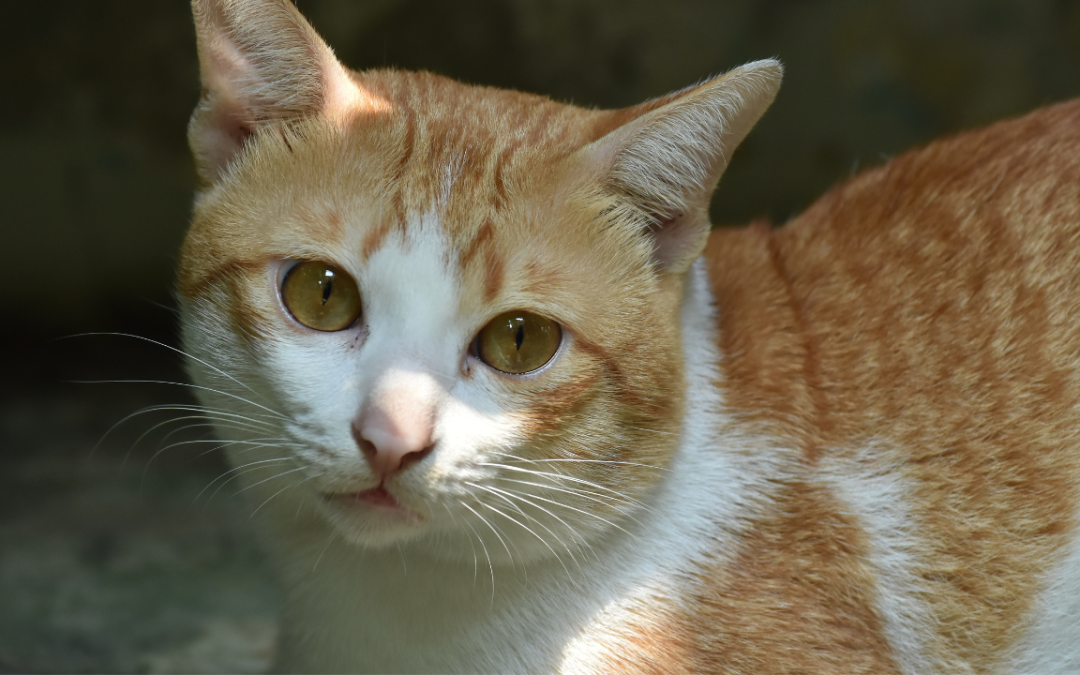
Dogs come with stereotypes. Cats generally don’t. Most people simply see a cat as a cat. Whether it’s orange, black, white, fluffy, or short-haired, the emotional reaction is usually much more neutral and universal. That makes cat content easier for a broad audience to enjoy. As a result, cat accounts often perform incredibly well because fewer viewers are immediately turned away by preconceived opinions.
Does Your Cat Need to Be Unique?
Absolutely not!! This is one of the biggest myths I hear from new creators. People assume they need a rare breed or a visually unique pet to succeed. My own two cats are a perfect example. Chip is a Manx cat, which is a unique breed. In fact, he has become the most famous Manx cat in the world online. Biskit, on the other hand, is simply a Calico cat. Nothing rare. Nothing unusual. No special breed. No special tricks. Yet both channels have built large audiences. Why? Because followers connect with their personalities and stories. Your pet does not need to be unique. Your storytelling does.
Why Brands Often Prefer Dogs
Now let’s switch gears and talk about dogs. While cats may have advantages when it comes to broad audience appeal, dogs have a major advantage in another area: Brand deals.
Over the years I’ve had countless conversations with marketing agencies, influencer managers, and brand representatives. One thing I’ve consistently heard is that brands often love working with dogs. Why? Because dogs are easier to direct. A dog can sit beside a product. A dog can look toward a camera. A dog can hold a pose. A dog can perform tricks. A dog can interact with products naturally. Cats? Not so much!
As someone who has completed roughly 200 brand deals with cats, trust me when I say every shoot becomes a creative puzzle. Getting a cat to look at a camera, sit near a product, or behave exactly how you want can be incredibly challenging. Dogs tend to make that process much easier. That’s why many brands find dog influencers particularly attractive for sponsored campaigns.
What Dog Breeds Perform Best?
Certain breeds naturally attract stronger engagement!
Golden Retrievers, Labrador Retrievers, Huskies, and similar family-friendly breeds tend to perform exceptionally well online. These breeds often trigger positive emotional responses from viewers.
People associate them with friendliness, loyalty, and happiness. However, don’t panic if your dog isn’t one of these breeds. I’ve seen successful accounts built around mixed breeds, rescue dogs, senior dogs, and every breed imaginable. Again, the pet itself isn’t the secret. The content is.
What About Horses, Birds, Turtles, and Other Pets?
Now let’s talk about the “other” category. Can a bird become famous? Absolutely. Can a horse become famous? Absolutely. Can a turtle become famous? Absolutely. But there is a challenge. The audience size is usually smaller.
The average person is much more likely to search for cat content or dog content than turtle content. That’s simply reality. However, niche audiences can be incredibly powerful. In fact, some niche creators build extremely loyal communities because there is less competition. If you own an unusual pet, don’t see it as a disadvantage. Instead, see it as an opportunity to stand out.

The Real Secret Nobody Talks About
Here’s the part that matters most. After working with hundreds of pet influencers, I can confidently tell you this: The pet is rarely what makes the account successful. The story is.
The creators who consistently grow are not the ones with the rarest animals. They’re not the ones with the most expensive cameras. They’re not even the ones posting the most. They’re the ones who understand storytelling.
Storytelling is the single biggest factor I’ve seen separate average accounts from wildly successful accounts.
Why Storytelling Beats Everything Else
Think about your favorite pet accounts. You probably don’t follow them simply because the animal is cute. You follow because you’ve become invested. You know their personality. You know their habits. You know their quirks. You know their relationships. You want to know what happens next. That’s storytelling.
It creates emotional investment. It makes people care. And when people care, they follow. They comment. They share. They binge-watch. They become loyal fans. This is why I’ve seen completely ordinary pets grow to 100,000, 500,000, and even millions of followers.
Not because the pet was special. Because the creator made the audience care.
Stop Looking for the Perfect Pet
One mistake I see constantly is people searching for the perfect pet to start with. They think:
“Maybe I need a rare breed.”
“Maybe I need a unique color.”
“Maybe I need a more interesting pet.”
The reality is that most successful creators didn’t start with the perfect pet. They started with the pet they already had. Then they learned how to tell stories. Then they learned how to create emotional content. Then they learned how to make viewers feel connected. That is where success comes from.
Can Any Pet Become Famous?
The short answer is yes. The longer answer is that success requires strategy. Could your hamster become famous? Yes. Could your horse become famous? Yes. Could your bird become famous? Yes.
But simply posting random videos and hoping for the best is not a strategy. The creators who succeed approach content creation intentionally. They study storytelling. They understand audience psychology. They learn content strategy. And they consistently improve over time.

Need Help Growing Your Pet Account?
If you’re serious about growing your pet account, there are a few resources that can help you accelerate the process.
Petfluencer Foundations
Petfluencer Foundations is our beginner-friendly program designed specifically for pet creators. You’ll learn content strategy, storytelling, branding, audience growth, monetization, and the exact framework I’ve used to help hundreds of pet influencers grow their accounts.
6-Figure Pet Influencer
If your goal is to turn your content into high income, Six Figure Pet Influencer dives deep into sponsorships, brand deals, media kits, pitching, and building a real business around your pet content. This is the exact system that helped me land five-figure brand deals and create a full-time career as a pet influencer.
YouTube Strategy
If you’re ready to expand beyond Instagram and TikTok, our YouTube training teaches you how to build long form content, increase watch time, improve retention, and create sustainable income through YouTube.
No matter what pet you have, there is a path forward. The key is learning the right strategy from the beginning!
Frequently Asked Questions
What pet has the highest chance of becoming famous online?
Cats and dogs generally have the largest audience potential. However, storytelling and content quality matter far more than the type of pet you own.
Are cats or dogs better for social media?
Cats tend to be more universally liked, while dogs often perform better in sponsored content and brand partnerships.
Do I need a rare breed to become a pet influencer?
No. Many successful pet influencers have completely ordinary pets. Personality and storytelling are far more important.
Can birds, horses, and reptiles become famous?
Absolutely. While the audience may be smaller, niche pet communities can be extremely loyal and highly engaged.
What is the biggest secret to growing a pet account?
Storytelling. The ability to make people emotionally invested in your pet consistently outperforms almost every other growth tactic.
How many followers do I need before making money?
Many creators begin monetizing around 10,000 followers, although opportunities can start earlier depending on engagement and content quality.
Can pet influencing become a full-time income?
Yes! Through brand deals, affiliate marketing, digital products, ad revenue, UGC content, and sponsorships, many pet creators build significant income streams.